
MÜNSTER, Germany – Estonia, Latvia, Denmark and Canada have formally joined 1 German-Netherlands Corps, strengthening the multinational headquarters and its contribution to NATO’s collective defence.
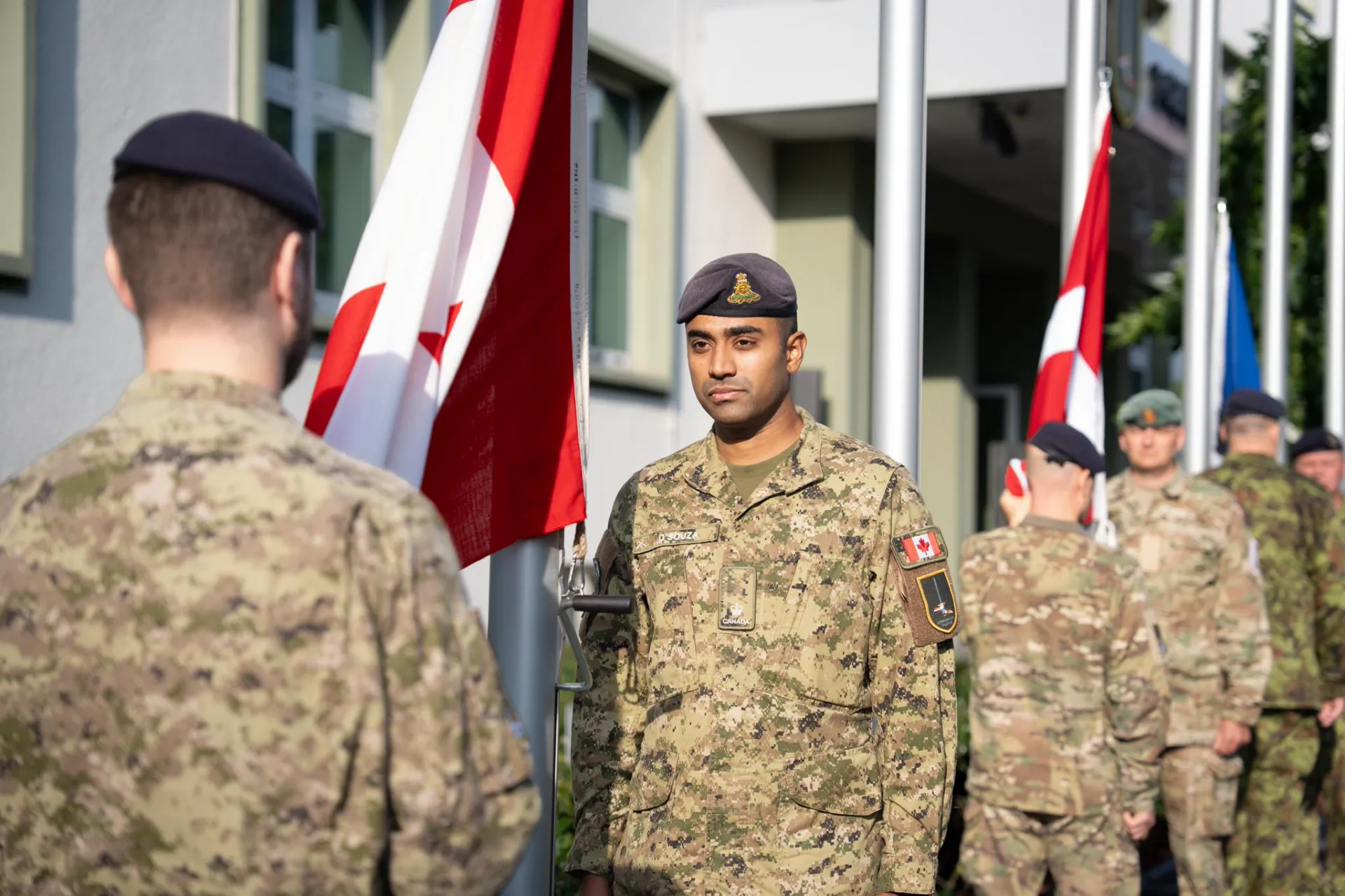
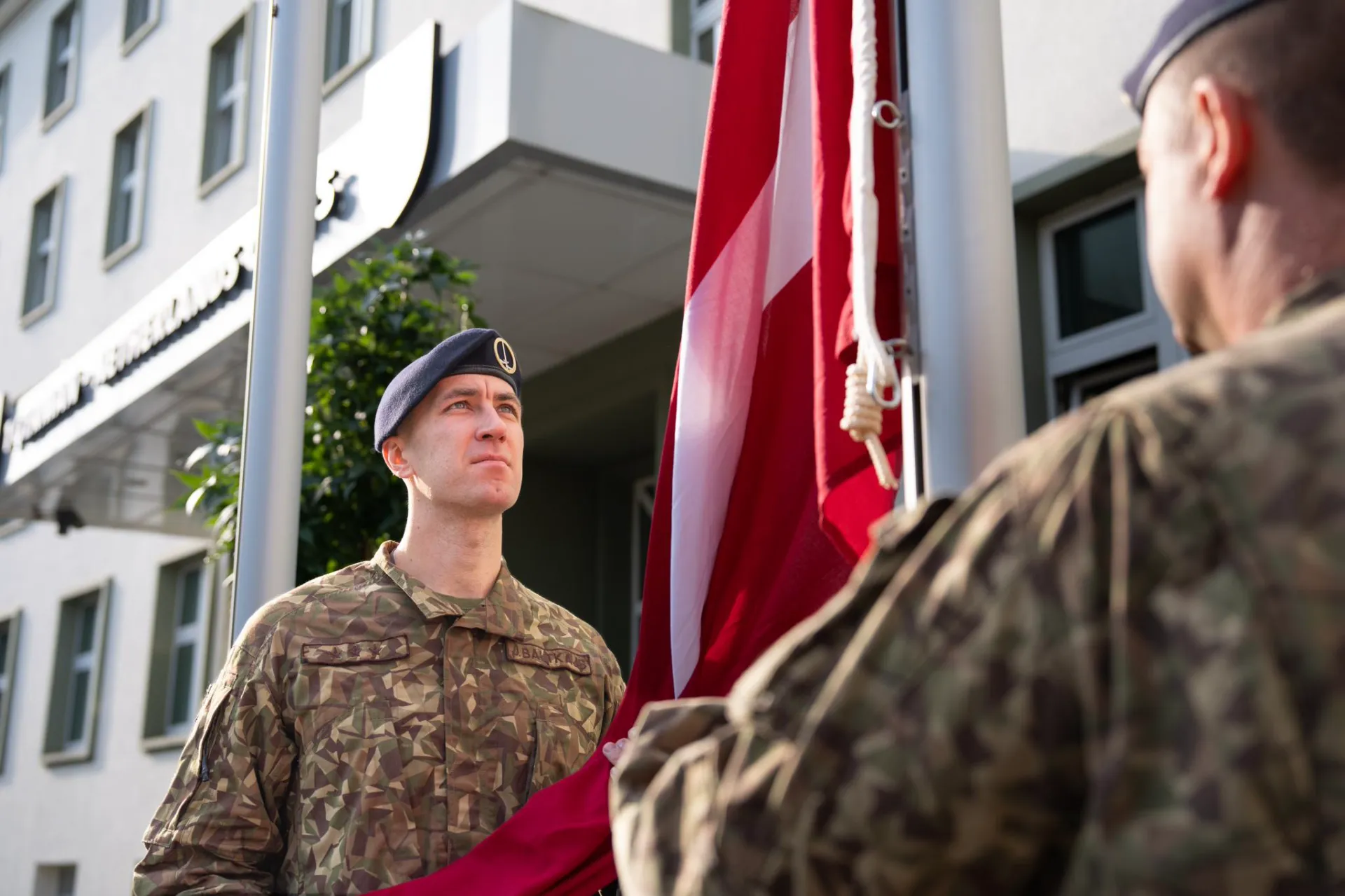
The four nations were officially welcomed during a flag-raising ceremony at the 1 German-Netherlands Corps Headquarters in Münster on 27 August. For the first time, the national flags of Estonia, Latvia, Denmark and Canada were raised alongside those of the other nations represented within the Corps. Lieutenant General Peter Mirow, Commander 1 German-Netherlands Corps, highlighted the significance of the moment. “Raising a flag is a simple act. But today, it sends a clear signal – to our Allies, and to anyone who might challenge us: Estonia, Latvia, Denmark and Canada are now part of our Corps Headquarters, and we stand together.” With their arrival, personnel from 16 nations now serve side by side within 1GNC. Together, they bring a broader range of operational experience, regional knowledge and professional expertise into a headquarters that continues to adapt to NATO’s evolving requirements.
Strengthening the mission
The integration of the four nations reflects the changing responsibilities of 1GNC within the Alliance. Since 1 July 2026, the defence of Estonia and Latvia has formed part of the Corps’ mission. Having Estonian and Latvian personnel embedded directly within the headquarters therefore provides more than additional multinational representation. Their participation brings first-hand regional knowledge and experience from the countries the Corps must be prepared to help defend. By working alongside colleagues from across the Alliance, they contribute directly to planning, readiness and the headquarters’ understanding of its operating environment. The participation of Denmark and Canada reinforces another important principle: the defence of NATO’s eastern flank is a responsibility shared across the Alliance. “Canada and Denmark underline something equally important: the defence of NATO’s eastern flank is not a regional task. It is a shared Allied commitment,” Lieutenant General Mirow said. Their presence demonstrates how Allies from different parts of NATO contribute together to deterrence and collective defence.
More than flags
The ceremony marked an important milestone for 1GNC, but multinational cooperation is built on more than national representation. “A multinational headquarters is not defined by the number of flags outside the building. It is defined by the people inside it,” Lieutenant General Mirow said.
The first Estonian, Latvian, Danish and Canadian personnel have already joined the headquarters and are integrating into the multinational team. Their arrival adds new perspectives and experience while strengthening the ability of the Corps to plan, communicate and operate across national boundaries. Working side by side enables personnel to learn from one another, build trust and combine national strengths into one cohesive headquarters. That diversity is one of 1GNC’s strengths. Different backgrounds and experiences contribute to a team prepared to take responsibility together and continuously improve its ability to command forces in support of NATO.
One team, one shared responsibility
For 1 German-Netherlands Corps, welcoming four additional nations is another tangible demonstration of Allied cohesion.
From Estonia and Latvia on NATO’s eastern flank to Denmark and Canada, personnel from across the Alliance now work together in Münster with a common purpose: contributing to credible deterrence and collective defence.
16 nations. One headquarters. One mission.
Different nations. Shared responsibility. One team.
Together Strong.